
Money makes the world go round! It is the single-most important instrument that we all spend our entire lives accumulating, growing and building. In today’s fast-paced digital world, managing money has become more challenging than ever – especially for Gen Z, who are fairly new in their journey to earn, invest and build a financial future. Gen Z must work to increase their savings, through some hardcore real strategies that work. With ascending inflation, rising costs, loans and maintaining quality of life, saving money may seem like a far-fetched goal. However, the key to financial freedom isn’t earning more – rather it’s saving smartly. Here are 5 top practical and real-life tips Gen Z can use to boost their savings and develop financial discipline.
It is managing your daily expenses like an expert while simultaneously saving and investing for your long-term financial goals. Fortunately, you can take steps to boost your financial situation, and they don’t necessarily involve eliminating all the everyday experiences and purchases that bring you much joy.
5 Tips to Increase Savings for Gen Z
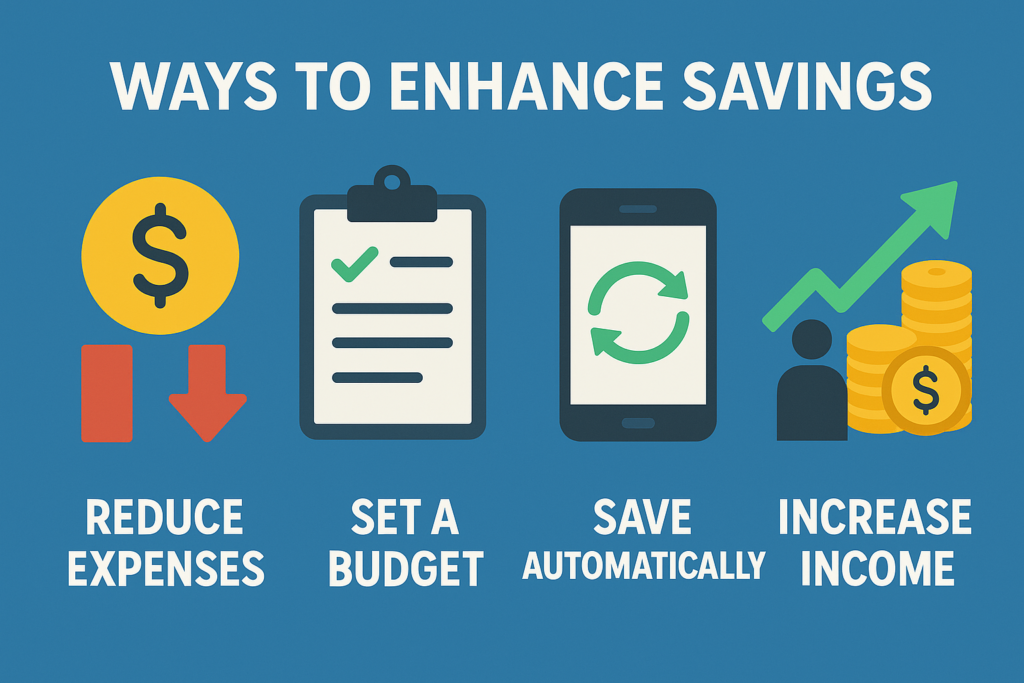
1. Create a Workable Budget
Budgets often have a bad reputation of being a document that tells you all the ways you can’t spend money and make having fun restricting. However, this is absolutely untrue. If you reframe your budget as a way to know how much you can actually spend – life becomes simple.
Divide your expenses into categories of needs, wants and savings, following the 50-30-20 rule respectively. After accounting for your savings and necessary expenses like shelter, food, insurance, utilities, etc., you can populate the ‘wants’ category with things that are important to you.
2. Cut Unnecessary Expense
This sounds too obvious, but it’s surprisingly overlooked on most occasions. A major share of the Gen Z consumers often ends up falling into the trap of subscriptions and frequent purchases – whether for OTT platforms, hanging out at locations, travel or shopping, online or offline. Start by tracking where your money goes for a month. Use apps like Walnut, Mint, or even simple Google spreadsheets.
You’ll be really surprised to see how much money is spent on things you don’t actually need. Once identified, cancel the unwanted chunk and limit impulse buying. By removing unnecessary spending, you create room to utilize those funds into savings or investments without cutting into your essential lifestyle.
3. Make Use of Side Hustles
Gen Z is known for being entrepreneurial and possessing a quick money-making and spending attitude. Whether it’s freelancing in your career field, selling ideas on social media, starting a YouTube channel, tutoring, or driving for a commercial app – side hustles can significantly boost your monthly income., especially if your main income as a Gen Z is not as high as you wanted it to be.
The beauty of a side hustle is that you don’t have to quit your main job or studies for it. Even earning an extra INR 5,000 – 10,000 per month can help you fast-track your savings, pay off debts, or help make smart investments. In fact, side hustles teach you valuable skills that are essential for career growth. The trick is to find something you’re good at and monetize it smartly.
4. Build Your Financial Knowledge
Today’s youth hasn’t received sufficient exposure to personal finance topics, but becoming financially fluent doesn’t have to be intimidating.
- Many Gen Z individuals are seeking accessible tutorials by following financial experts on TikTok, Reddit, YouTube, Instagram etc.
- These so-called influencers break down key financial components so they’re easier to understand. It’s important to thoroughly research all investment options and beware of the red flags.
- Being financially smart doesn’t mean being boring – it means being efficient at whatever approach you take. Why pay full price when you can use cashback apps, loyalty rewards, discount coupons, and special offers to save money.
- Using credit cards with good rewards programs wisely can give you added savings.

5. Automate your Savings
The best way to start the habit of saving money is by taking the effort out of it. Making it seem effortless and automated removes the burden of doing it manually. Most banking and investment apps today allow you to set up automatic transfers from your salary or current account to a savings or an investment account. For example, you can schedule a transfer of as small as INR 1000 every time you receive your salary. Some apps even round up your purchases and deposit the spare change into your savings account.
While it may not seem like much initially, automated savings accumulate over time – helping you build an emergency fund, save for travel, or invest in long-term goals without feeling the pinch. The best part is you receive a decent interest rate as well from the banks for these savings!
Saving money is not just about being rich -it’s about being consistent. The journey to financial stability begins with small but consistent habits. By automating savings, eliminating wasteful spending, creating a proper budget, leveraging side activities, you can take charge of your financial life. Start today, not tomorrow! Even if you’re saving just INR 1000 a month, that’s INR 12,000 a year. In five years, with compounding and some side income, this can become a significant sum. The key is to start, stay consistent and keep learning. Money doesn’t grow on trees, but smart habits can certainly grow your bank balance.
FAQs on Tips for Gen Z to Increase Savings
1)Which are the best budgeting apps for Gen Z?
YNAB (You Need a Budget), Emma, Goodbudget are some of the best apps that help with goal-based budgeting, ideal for Gen Z in 2025.
2) What is the 50/30/20 rule in budget tracking?
The 50/30/20 rule is a good starting point to manage the budget and track the expenditure – allocate 50% of your income to essentials (rent, groceries), 30% to wants (entertainment, shopping), and 20% to savings or debt repayment.
3) What are the best tips for Gen Z to save money?
Gen Z can make use of real-life tips to boost their savings in 2025 – automate your savings, limit unnecessary expenses, earn through side hustles, set a budget and track the expenditure for better planning.