
Exchange Traded Funds (ETFs) have become one of the most popular investment tools for both beginners and seasoned investors.
They offer the flexibility of stock trading combined with the diversification of mutual funds. Simply put, ETFs can be an efficient and affordable way to own a portfolio of stocks, bonds, or other assets — all through a single investment.
An Exchange-Traded Fund (ETF) is a basket of investments — such as equities, bonds, or commodities — that you can buy and sell on a stock exchange. Each ETF share represents a fractional ownership of the entire portfolio. Unlike mutual funds, which can only be bought or sold at the end of the trading day, ETFs trade like stocks — meaning you can buy or sell them anytime during market hours. They are also known for their lower fees, transparency, and flexibility.
Top Benefits of Investing in ETFs
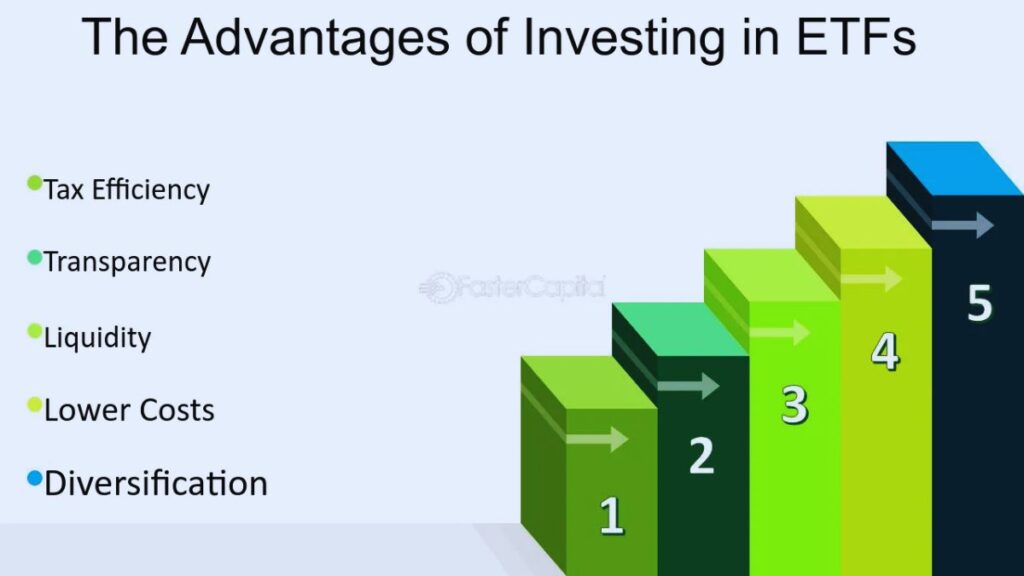
ETFs have two key features — they are pooled investment funds and trade like stocks. But these characteristics offer several distinct advantages:
1. Tax Efficiency
ETFs are highly tax-efficient due to their low portfolio turnover and the way shares are traded. Since ETFs usually track indexes, they buy and sell securities less frequently, reducing taxable capital gains. Additionally, one investor’s sales don’t impact other shareholders, making ETFs more tax-friendly than mutual funds.
2. Liquidity
ETFs are almost as liquid as regular stocks. They can be bought or sold anytime during the trading day, and transactions typically settle within two business days. Their prices are transparent and updated in real-time, providing flexibility for investors who prefer active trading.
3. Transparency
ETFs are required to disclose their holdings and Net Asset Value (NAV) daily. This gives investors a clear view of what assets they’re invested in, enhancing market confidence and decision-making transparency.
4. Low Fees
Most ETFs are passively managed, meaning they follow predefined rules or indexes. This reduces management costs and operating expenses. Their generally low expense ratios make them an economical choice for long-term investors.
5. Diversification
ETFs offer instant diversification by allowing investors to hold a wide range of assets within one fund. This helps reduce risk since the performance of one security has less impact on the overall portfolio. For example, a single ETF can include hundreds of companies across various sectors.
3 Ways Investors Can Earn from ETFs
ETFs can be used for different financial goals — from long-term growth to regular income. Here are three common ways to make money with ETFs:
1. Long-Term Capital Appreciation
This strategy involves buying and holding ETFs that track broad market indexes. As the market grows over time, the value of your ETF shares also increases.
- Best for: Long-term investors, such as those saving for retirement or wealth accumulation.
- Tip: Choose low-cost index ETFs for steady, passive growth.
2. Active Trading Strategies
Experienced investors can trade ETFs actively to take advantage of market trends or economic shifts.
For instance, an investor may move from a technology ETF to a consumer staples ETF during a market slowdown.
- Best for: Aggressive investors with a higher risk tolerance.
- Tip: Always research market cycles and economic indicators before switching sectors.
3. Dividend Income
Many ETFs invest in companies that regularly pay dividends. The ETF collects these dividends and distributes them to shareholders, creating a source of steady income.
- Best for: Investors seeking passive income or those who want to reinvest dividends for compounding growth.
- Tip: Look for ETFs with a history of consistent dividend payouts and strong underlying companies.
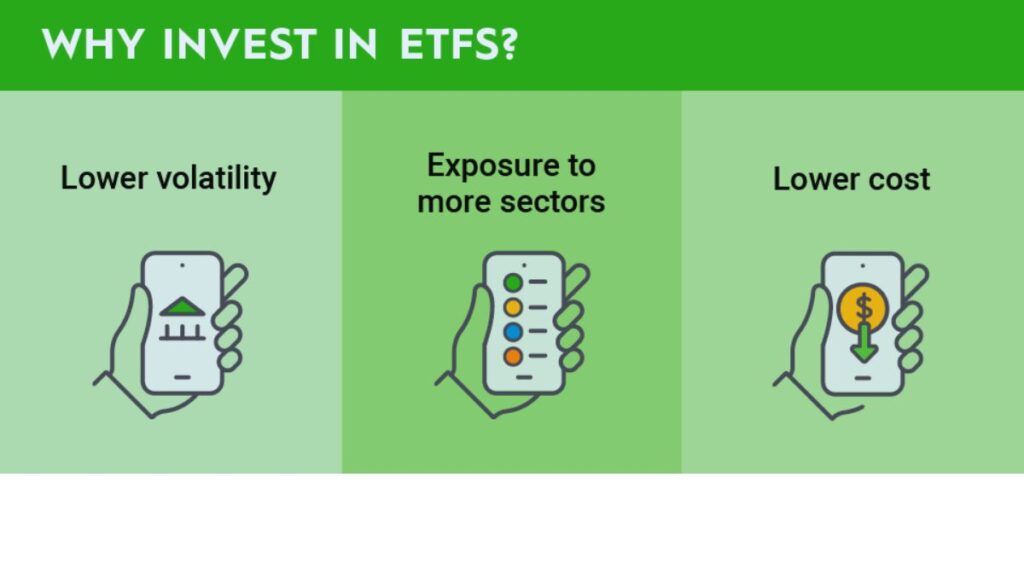
ETFs are one of the most versatile and accessible investment options available today. Whether you’re a beginner aiming for long-term growth or a seasoned investor looking for short-term trading opportunities, ETFs can fit into almost any investment strategy.
Off late, in 2025, Gold and Silver ETFs have become increasingly popular as a mode of asset diversification and wealth generation.
Consulting a financial advisor can also help you choose the right mix of ETFs for your goals.