
In today’s fast-paced digital world, cyber threats are evolving at an alarming rate.
While many are familiar with phishing or malware, there’s a bigger cyberattack that’s quietly draining resources — cryptojacking. Unlike traditional hacks that steal data, cryptojacking hijacks your device’s computing power to secretly mine cryptocurrency for the attacker’s benefit. You may not even realize it’s happening — but your device performance, energy bills, and even security could be paying the price.
Understanding Cryptojacking
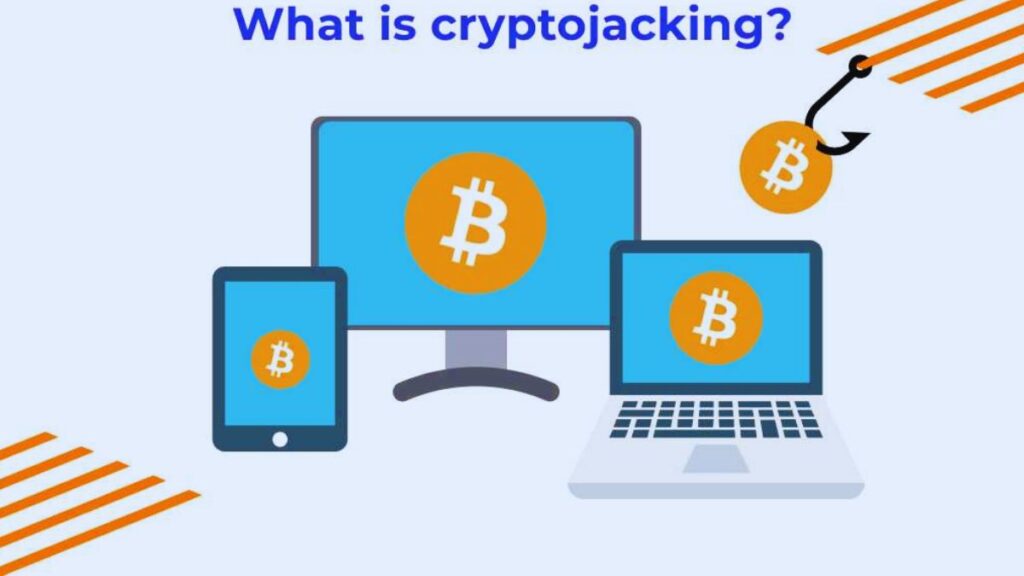
Cryptojacking is the unauthorized use of someone’s computer, smartphone, or server to mine digital currencies such as Bitcoin, Monero, or Ethereum. Instead of installing visible malware or stealing your files, attackers inject a piece of malicious code into your system. This code runs quietly in the background, performing complex calculations to earn cryptocurrency.
The mined coins go directly into the hacker’s digital wallet, while you bear the cost — through higher CPU usage, slower performance, and increased electricity consumption. In simple terms, your device becomes an unpaid employee working for cybercriminals.
How Does Cryptojacking Work?
There are two main methods hackers primarily use to launch cryptojacking attacks:
1. File-based Cryptojacking:
This happens when malware is installed into your system through phishing emails, malicious downloads, or infected software updates. Once executed, the code runs automatically and starts mining cryptocurrency without your knowledge.
2. Browser-based Cryptojacking:
Here, hackers embed mining scripts into websites or online ads. When you visit an infected webpage, the script starts using your browser’s processing power to mine cryptocurrency. The moment you close the tab, the mining stops — but if the site is one you frequent, the impact can still be significant over time.
Popular cryptojacking scripts like Coinhive (now defunct) once targeted thousands of websites worldwide, including popular streaming, gaming and government portals.
Why is Cryptojacking Dangerous?
At first glance, cryptojacking might not seem as threatening as a data breach — after all, your files remain intact. But the damage is real and often underestimated. Here’s why you should really care:
1. Performance Slowdown:
Cryptojacking consumes a huge amount of CPU and GPU power. As a result, your device may overheat, crash frequently, or slow down significantly. Tasks that once took seconds may now take minutes.
2. Increased Energy Bills:
Since mining cryptocurrency requires intensive computational work, cryptojacking makes your device consume more electricity. Businesses with large networks may face skyrocketing utility bills without understanding the cause.
3. Hardware Damage:
Constant overuse of processing units can shorten the lifespan of your computer or smartphone. Overheating and stress on hardware components can lead to permanent damage, resulting in costly repairs or replacements.
4. Security Risks:
Cryptojacking is often a symptom of deeper vulnerabilities in your system. If hackers can inject mining scripts, they are also likely to exploit your device for other unethical purposes, such as data theft or ransomware attacks.
5. Network-Wide Threat:
In corporate settings, cryptojacking can spread quickly across connected devices. Once it infiltrates a network, it can affect performance organization-wide, compromising both productivity and security.
How to Detect Cryptojacking
As one would not like it, cryptojacking operates silently, and hence it can be tricky to identify. However, there are some common warning signs to look out for:
- Unusually high CPU usage: Check your Task Manager or Activity Monitor for background processes consuming excessive resources.
- Overheating devices: Fans running constantly or systems overheating during free periods can indicate hidden mining scripts.
- Battery drains quickly: If your smartphone or laptop battery drains out faster than usual, cryptojacking could be the culprit.
- Browser slowdowns: Web pages taking too long to load or browsers freezing frequently may also signal browser-based cryptojacking.
You can also use anti-malware tools or browser extensions that can help you detect and block mining scripts.
How to Protect Yourself from Cryptojacking
Prevention is the best defense when it comes to cryptojacking. Here are a few key steps to safeguard your devices:
1. Install Security Software:
Use reputable antivirus or anti-malware programs that offer real-time protection against cryptomining scripts and suspicious activities.
2. Keep Your System Updated:
Regularly update your operating system, browsers, and plugins. Software patches often fix vulnerabilities that hackers exploit for cryptojacking.
3. Avoid Suspicious Links and Downloads:
Don’t click on any unknown links or download attachments from unverified sources. Many cryptojacking attacks start with phishing emails.
4. Monitor Performance:
Keep an eye on the average CPU usage and system temperature. Any unexplained spikes could trigger and signal hidden mining activity.
5. Educate Employees:
For businesses, cybersecurity awareness is crucial. Train your staff to identify phishing attempts and suspicious system behavior.
Why Should You Care?
Cryptojacking may seem like a minor nuisance compared to an identity theft, but it represents a growing trend in cybercrime as of 2025. The attacker doesn’t need to steal your data or lock your files; they profit simply by using your resources unnoticed. As cryptocurrency continues to rise in popularity, cryptojacking is expected to evolve, targeting not only personal computers but also cloud systems and enterprise networks.
You should always protect your systems, stay updated, and always remain vigilant — because in the world of cybersecurity, what you can’t see can definitely hurt you. As the interest in cryptocurrency and its benefits grows, so will the attempts to utilize it unethically.