
A good CIBIL score is essential if you plan to apply for a personal loan, home loan, or credit card in India.
Your credit score determines not only whether your loan will be approved but also the interest rate you’ll be offered. If your CIBIL score is low due to missed payments, loan defaults, or limited credit history, don’t worry—you’re not alone. The good news is that you can improve your CIBIL score with consistent and smart financial practices.
In this guide, we’ll explain what a CIBIL score is, why it matters, and share practical steps to improve your CIBIL score fast and effectively.
What Is a CIBIL Score and Why Is It Important?
CIBIL (Credit Information Bureau India Limited) is India’s leading credit bureau that tracks and evaluates your credit behavior. Your CIBIL score is a three-digit number between 300 – 900, reflecting your creditworthiness, or the ability to take credit and repay it.
- 750–900: Excellent – Very high chances of loan approval
- 700–749: Good – Eligible for most loans
- 650–699: Fair – Loan approval possible but with higher interest
- 300–649: Poor – High risk; loan likely to be rejected
A higher score assures lenders that you can repay loans responsibly, improving your chances of quick approvals and favorable terms.
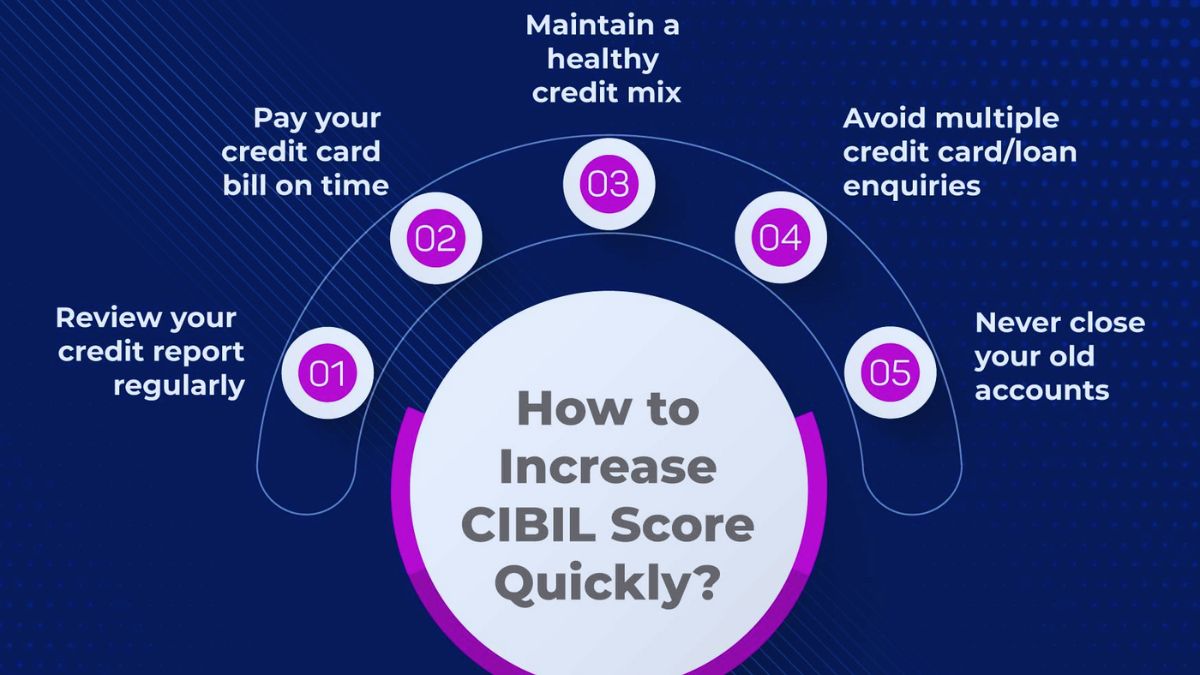
How to Improve CIBIL Score Quickly?
While it’s not possible to transform your score overnight, certain steps can help you see a positive impact within a couple of months, usually three to six months.
1. Clear All Pending Dues Immediately
Unpaid EMIs or missed credit card bills are the biggest reasons for a low CIBIL score. Settle any outstanding dues as soon as possible to trigger an upward trend.
2. Maintain a Low Credit Utilization Ratio
Use less than 30% of your total credit limit. For example, if your limit is ₹1,00,000, try not to spend more than ₹30,000. This shows lenders that you manage credit wisely.
3. Check for Errors in Your Credit Report
Sometimes, your score drops due to incorrect information. Visit the official CIBIL website or trusted financial partners like Credit Saison India to check your report. Dispute and correct any inaccurate details immediately.
4. Avoid Multiple Loan Applications
Applying for several loans or credit cards in a short time leads to multiple hard inquiries and gives an impression of having ‘credit hunger’. Avoid fresh applications for a while to stabilize your score.
How to Improve CIBIL Score After a Loan Default?
A loan default can seriously damage your credit record, but it’s still possible to recover. Follow these steps to rebuild your score:
- Repay or settle the defaulted loan amount
- Request a ‘No Dues Certificate’ from the lender
- Continue making timely payments on other loans or cards
- Use secured credit products like secured credit cards
- Be patient and consistent improvement takes time but is achievable
Tips to Maintain a Good CIBIL Score
If you want a sustainable, healthy credit profile, focus on these long-term habits with diligence and see the score rise higher:
1. Always Pay EMIs and Credit Card Bills on Time
Set reminders or automate payments to ensure you never miss due dates. Timely payments are the most powerful factor influencing your score.
2. Maintain a Balanced Mix of Credit
Having both secured (home, auto loans) and unsecured (personal loans, credit cards) credit demonstrates financial discipline and strengthens your profile.
3. Increase Your Credit Limit—But Spend Wisely
Requesting a higher limit can lower your utilization ratio. However, don’t overspend just because you have more credit available.
4. Keep Old Credit Accounts Active
A longer credit history boosts your score. Avoid closing old, active accounts unless they have high fees.
5. Monitor Joint and Co-Signed Accounts
If you share a loan or credit card with someone, make sure payments are made on time. Their missed payments can also hurt your CIBIL score.
6. Use a Secured Credit Card
If you’re rebuilding your score, opt for a secured credit card backed by a fixed deposit. It’s easy to get approved and helps demonstrate responsible usage.
A credit score is a general term used globally, while CIBIL score refers specifically to the version calculated by CIBIL, India’s top credit bureau. Other agencies like Experian, Equifax, and CRIF Highmark also provide credit scores, but most lenders rely primarily on your CIBIL score for decision-making.
How Long Does It Take to Improve a CIBIL Score?
The time required depends on your credit history and the level of damage:
- Minor delays or high utilization – 1–3 months
- Loan defaults or settlements – 6–12 months
- No credit history – 3–6 months of regular credit activity
How to Check Your CIBIL Score Online?
Checking your CIBIL score regularly helps you track progress and make corrections in time. You can check it through:
- The official CIBIL website
- Credit Saison India platform
- Partner banks and trusted fintech apps
Improving your CIBIL score requires consistency and financial discipline. By making timely payments, managing credit responsibly, and monitoring your report, you can steadily move towards a score above 750 — giving avenues for better loan offers and financial freedom.