
Over the past decade, the cost of education in India has risen sharply, transforming how parents approach their children’s academic and financial futures.
Tuition fees across schools, especially in metro cities, has been increasing by about 7% to 15% every year, which is exorbitant. According to researches conducted, parents could end up spending as much as INR 1.68 crore on school education in elite institutions by the time a child completes Class 12. The average tuition fee at top-tier schools stands at INR 76.2 lakh from KG to Grade 12. When it comes to higher education, the affordability gap becomes even wider.
A five-year MBBS degree at a government college costs around INR 1.9 lakh, but in private institutions, the same course can reach a whopping INR 82 lakh. Similarly, degrees like B. Tech and B. Pharm can cost three to four times more in private colleges compared to government ones, putting increasing pressure on families. With such steep costs, many parents and students are turning to education loans to make quality education accessible. But before signing up for one, it’s essential to plan wisely and understand the options available.
Things to Know Before Taking an Education Loan
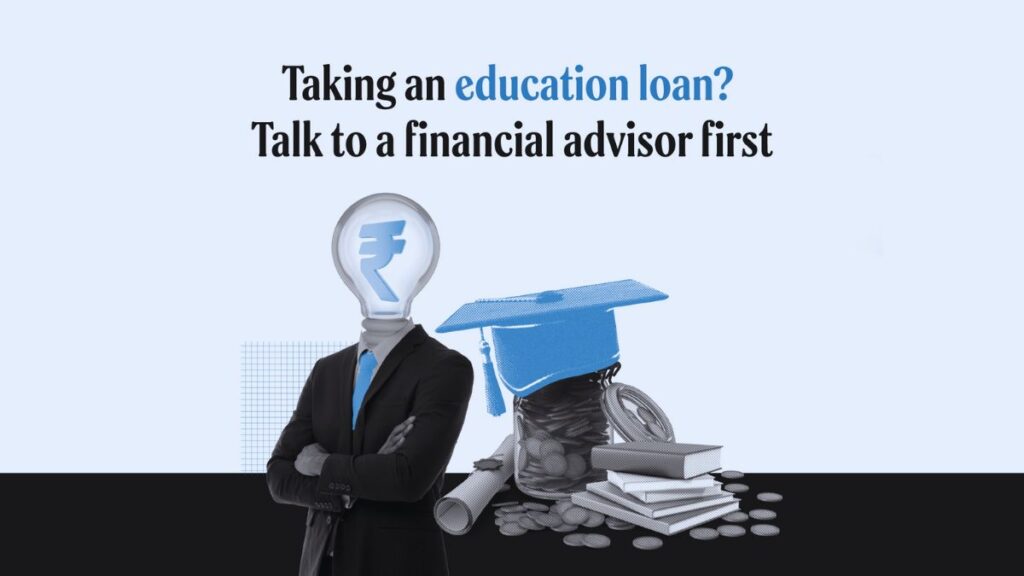
Before committing to an education loan, it’s crucial for families to consult a financial advisor. An expert can evaluate how a loan will impact household finances and help create a repayment plan that aligns with the student’s career trajectory.
5 Steps to Consider
1. Plan Early
Start researching lenders and required documents at least 12 months before admission. However, apply only after receiving admission to ensure the loan amount matches your actual costs. Early planning also helps in comparing interest rates, loan limits, and processing times.
2. Check Collateral-Free Loan Limits
Most banks offer INR 15–20 lakh for studies in India and INR 20–50 lakh for overseas education without requiring some form of collateral. Make a list of your target institutions and check each lender’s policies to maximize your borrowing potential.
3. Use the Vidya Lakshmi Portal
The Vidya Lakshmi Portal (www.vidyalakshmi.co.in) is a government-backed platform that allows you to compare amongst 84 education loan schemes from 38 banks with a single application. You can apply to up to three banks at once and track your application status in real time – saving both time and paperwork.
4. Understand Loan Terms Clearly
Look for interest rates between 8% – 12%, with repayment tenures of 10–15 years. Always clarify moratorium periods, repayment start dates, and EMI structures before signing.
5. Manage EMI Burden Smartly
Ideally, monthly EMIs should not exceed 20–25% of your total household income. This ensures you can repay comfortably without straining your family’s finances.
Education Loan for Studies in India
For students pursuing higher education in India, the loan process is fairly simple and parent friendly. Most banks and NBFCs (Non-Banking Financial Companies) offer collateral-free loans up to INR 15–20 lakh for recognised institutions.
- These loans generally carry interest rates between 8% – 12%, depending on the applicant’s academic profile and co-applicant’s credit history. Processing is faster for reputed colleges, and documentation requirements have become more streamlined than ever.
Tax Relief under Section 80E
One of the biggest benefits for parents is the tax deduction on interest payments for the first 8 years of repayment, without any upper limit. This makes education loans a cost-effective and tax-efficient way to fund studies, a powerful financial advantage for parents and students alike.
- In short, an education loan for domestic studies combines flexibility, affordability, and tax advantages, making it an excellent choice for families aiming for top institutions without immediate financial stress.

Bank vs NBFC: Which Is Better for an Education Loan?
Both banks and NBFCs come with their own pros and cons. While banks generally offer lower interest rates and thorough eligibility checks, NBFCs provide faster approvals and greater flexibility, especially for courses not typically covered by traditional banks.
| Feature | Banks | NBFCs |
|---|---|---|
| Interest Rate | 8.0%–12.5% | 12.0%–15.0% |
| Repayment Period | Up to 15 years (after course) | 10–15 years (including course and grace period) |
| Processing Fees | Up to 1% (for loans above ₹20 lakh) | 1%–2% of loan amount |
| Coverage | Tuition, travel, and exam fees (limited extras) | 100% coverage of education-related costs |
| Repayment Options | Fixed | Customizable, flexible options |
If your goal is lower cost and stability, a bank loan is ideal. But if you prioritize speed, flexibility, or niche courses, NBFCs might be better suited.
Why Financial Planning Is Crucial?
Education costs include much more than tuition—think living expenses, exam fees, and study materials. Without careful planning, these additional costs can add up fast.
- To stay financially secure, plan for at least 12–15% annual inflation, especially for top-tier programs. This ensures you won’t run out of funds mid-course.
- Setting up a systematic investment plan (SIP) early, exploring scholarships, and regularly revising your savings can help you stay ahead of rising costs.
- Ultimately, financial planning turns an education loan from a burden into a smart investment in your child’s future.
With the cost of education in India rising faster than ever, the right education loan—paired with sound financial advice—can make a world of difference. Talk to a qualified financial advisor before applying, understand your repayment responsibilities, and make informed choices.