
Life is full of uncertainties and extremely unpredictable – one minute everything is going according to the plan and the next minute you’re faced with a situation that was least expected.
Whether it’s a medical emergency, sudden job loss, unexpected home repairs, or any unplanned expense – these things may cause a mayhem in your life and so having an emergency fund acts as a financial cushion to help you stay afloat without relying on debt. Unfortunately, many people overlook this crucial aspect of financial planning. But the good news is that building an emergency fund is easier than it seems — you just need a little discipline, planning, and consistency. Creating your own float is the best way to sail through the high current times without the fear of being drowned.
Is low budget an issue in creating a fund? No Problem! Start with small steps and gradually scale through as your income rises.
Making your financial life easy and simplified with some tested measures, that will help you set up your emergency fund and save you in times of adversity and stress.
An ideal emergency fund should include around 6 months of expenses. To determine, list out all your expenses categorically and calculate.
Here’s a step-by-step guide to help you create an emergency fund in 5 easy steps:
Create an Emergency Fund in 5 Simple Steps
1) Determine Your Future Financial Needs
The first and foremost step is to figure out how much money you want to add in your emergency fund. Ideally, you should aim to save 3 to 6 months’ worth of essential expenses, as stated earlier too. This includes rent or EMIs, groceries, utilities, insurance, transportation, and any other fixed costs.
If you’re single with no dependents or family members to support, 3 months may be sufficient. However, if you have a family or an unstable income flow, aim for 6 months or more.
How to Calculate:
- Make a list of your monthly essential expenditure.
- Total the amount and multiply it by 3 to 6, depending on your target.
- Start with a small goal of INR 10,000 – INR 20,000 and gradually build it up.

2) Open a Separate Savings Account
Your emergency fund should be easily accessible in times of need, but not so easily accessible that you’re tempted to dip into it for non-emergencies. The best way to achieve this balance is to open a separate high-interest savings account, different from your daily-use one. Choose an account with no maintenance fees, good mobile banking access and the ability to withdraw instantly if required.
Why a Separate Account?
- Keeps your emergency fund untouched.
- Makes it easy to track progress.
- Helps avoid the temptation to spend.
- May earn slightly better interest than a regular account.
3) Set a Monthly Contribution Goal
Now that you know how much you need and where to park it, the next step is to start contributing consistently. For example, if your target is INR 60,000 and you can save INR 5000 per month, you’ll reach it in 12 months. Systematic and steady contributions will help you build the fund without affecting your lifestyle drastically.
How to Plan Contributions:
- Start small (INR 2000 – 4000 per month).
- Set up an automatic transfer after every salary credit.
- Increase the contribution whenever you get a raise or bonus.
Tip: Treat your emergency fund contribution as a non-negotiable monthly bill, just like your rent or electricity so that you do not forget to add it up.
4) Limit All Unnecessary Expenses and Build Savings
You don’t need a sudden windfall to build an emergency fund — you just need to redirect small savings from your daily spending. Let’s say you save INR 200 by skipping two cups of coffee a week — that’s INR 800 per month, or nearly INR 10,000 per year. These small lifestyle changes can go a long way in speeding up your emergency fund growth.
Ways to free up money:
- Cancel unused subscriptions.
- Cut down on eating out or ordering food.
- Shop during sales or buy generic brands.
- Use cashback offers and reward points.
5) Use the Fund only for Real Emergencies
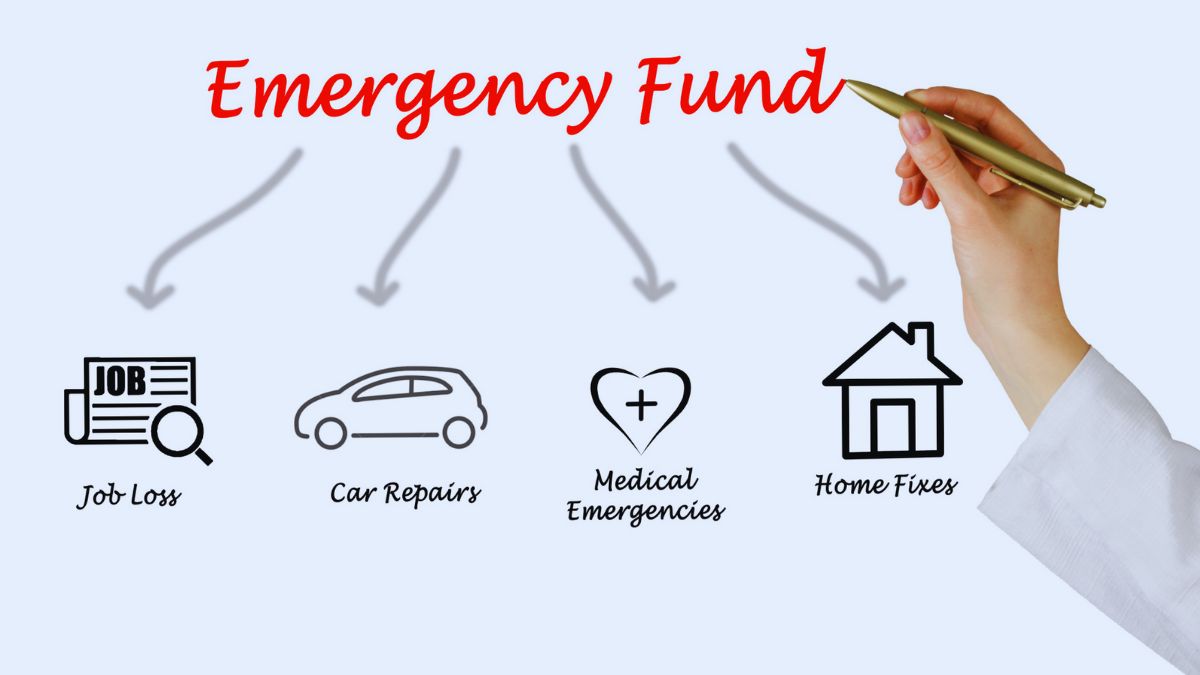
Once your fund starts growing, it’s important to protect it. This fund is not for vacations, shopping sprees, or impulse buying. It should only be used for genuine emergencies like.
- Job loss
- Medical emergencies
- Major car/home repairs
- Unexpected travel due to family emergencies
Using it for non-urgent needs defeats its purpose completely. Train yourself to differentiate your wants from needs and consider putting a mental or written checklist in place to evaluate whether something qualifies as a true emergency.
Golden Rule: If you use the fund unexpectedly, make sure to replenish it as soon as possible — treat it like borrowing from yourself.
More Tips for Quick Success:
- Avoid Stock Trading – For emergency funds, as they are not liquid money and may lose value depending on the market situation.
- Quarterly Review – To adjust your financial goals based on the inflation or changes in expenditure, a periodic review is important.
- Keep the Emergency Account clearly labelled and keep it independent of other accounts for clarity and accountability.
- Use any additional bonuses received, tax refunds or some incentives to top it up faster and increase the fund amount.
Creating an emergency fund is not just a financial task; it’s a commitment for your and your family’s future stability. In a world where uncertainty is the only certainty, having a backup fund gives you immense peace of mind, confidence and great independence. It prevents financial stress and lets you handle life’s surprises with comfort — without resorting to loans or credit cards.
Start today — even a small step towards building your emergency fund is better than no step at all. With just a few adjustments in your budget and a strong sense of purpose, you’ll be able to build your financial safety net in no time.
Remember, the best time to build an emergency fund is before you need it.